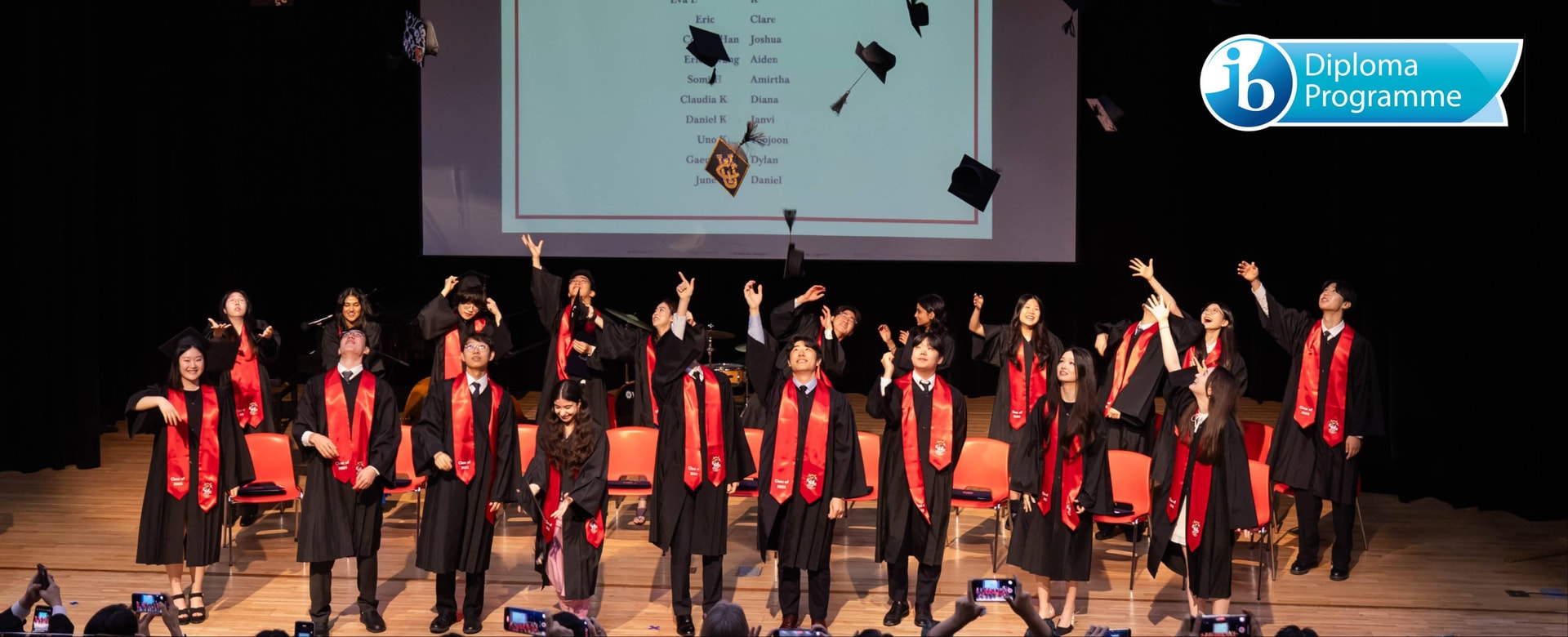
International Baccalaureate
Welcome to the IB Diploma Programme (IBDP) at Dulwich College Seoul
What is the IB?
The International Baccalaureate (IB), founded in 1968, is a non-profit educational organisation based in Geneva, Switzerland. The IB is a recognised leader in the field of international education and is currently working with 3,500 schools in 146 countries to develop and offer IB programmes to more than 1,000,000 students aged 3 to 19 years.
The IB Diploma Programme is a challenging two-year programme of international education for students aged 16 to 19 years old. The IB Diploma Programme prepares students for university and life in a global society and encourages them to:
- Ask challenging questions.
- Learn how to learn.
- Develop a strong sense of identity and culture.
- Develop the ability to communicate and understand people from other countries and cultures.

The IB cultivates curiosity, compassion, and critical thought through inquiry-driven learning and global engagement. With CAS, Theory of Knowledge, and the Extended Essay, students connect disciplines, build resilience, and develop ethical awareness. The IB prepares learners to succeed in higher education and to contribute as empathetic, internationally minded global citizens.
The IB Diploma Programme Core Subjects
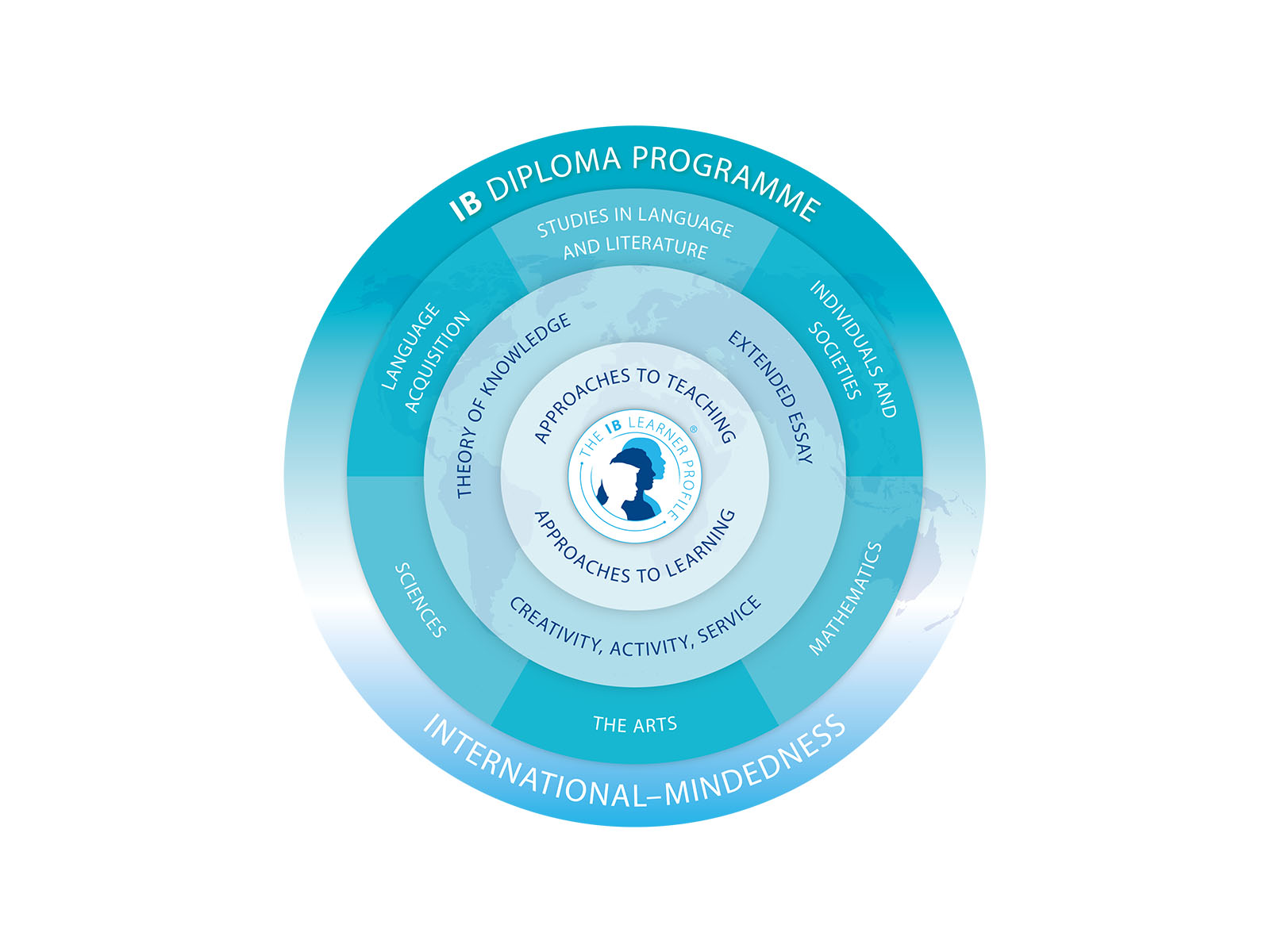
The IB curriculum includes six subject groups: Studies in Language and Literature, Language Acquisition, Individuals and Societies, Sciences, Mathematics, and the Arts. Students also complete the Core, which includes the Theory of Knowledge (TOK), Creativity, Activity, Service (CAS), and the Extended Essay.
- TOK is a unique course that encourages students to reflect on the nature of knowledge and how we know what we claim to know. It is a central element of the IB Diploma Programme that integrates all academic areas.
- CAS is a component of the IB Diploma Programme that requires students to engage in various activities beyond academics. These activities aim to enhance personal and interpersonal development through experiential learning.
- The Extended Essay is an independent, self-directed piece of research, culminating in a 4,000-word paper. It provides students with an opportunity to investigate a topic of interest within any subject offered in the IB curriculum.
Our Stories: Alumni
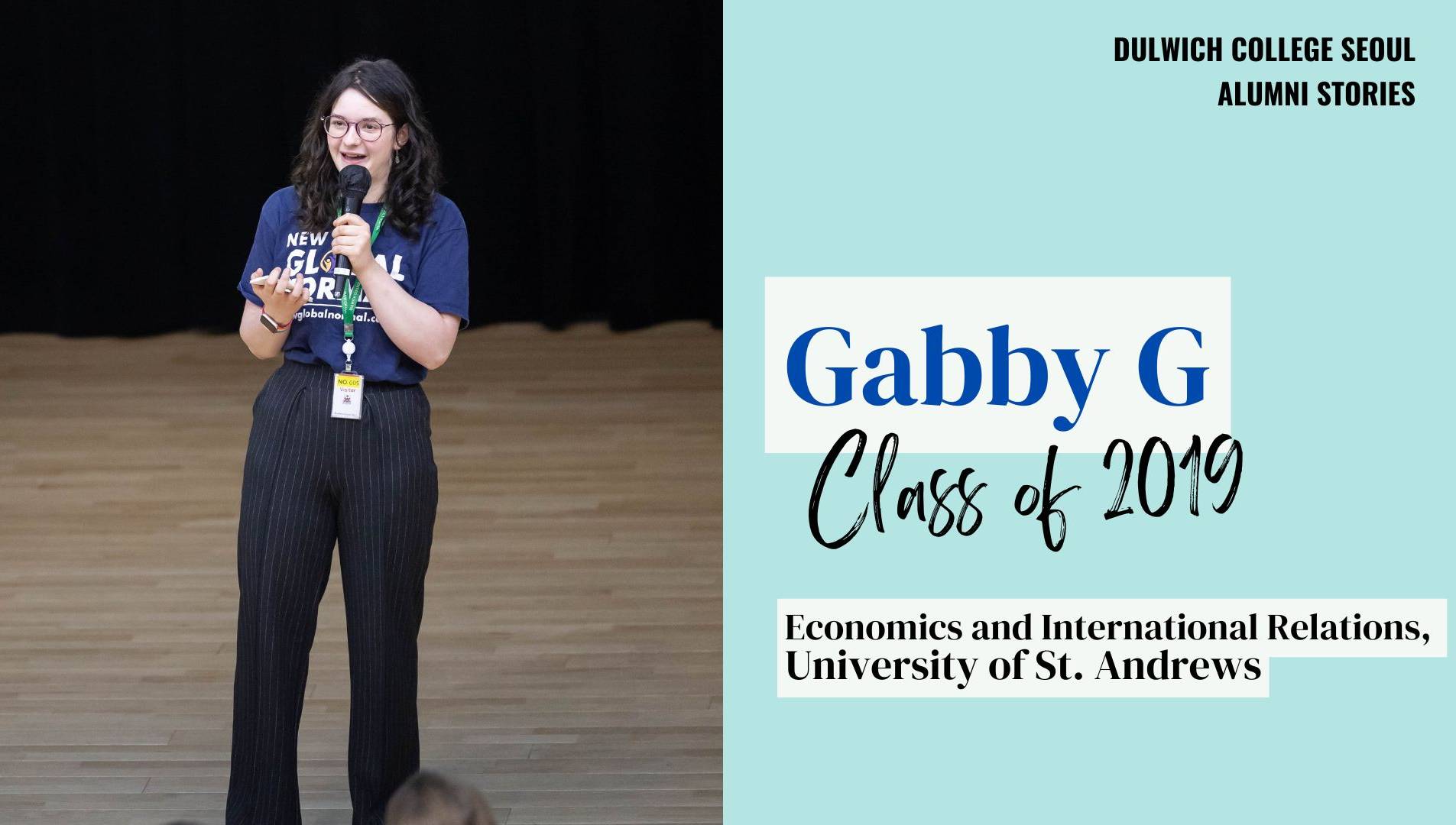
Class of 2019
From Dulwich to St Andrews: Gabby's journey in Economics shaped by her global upbringing.
Full Video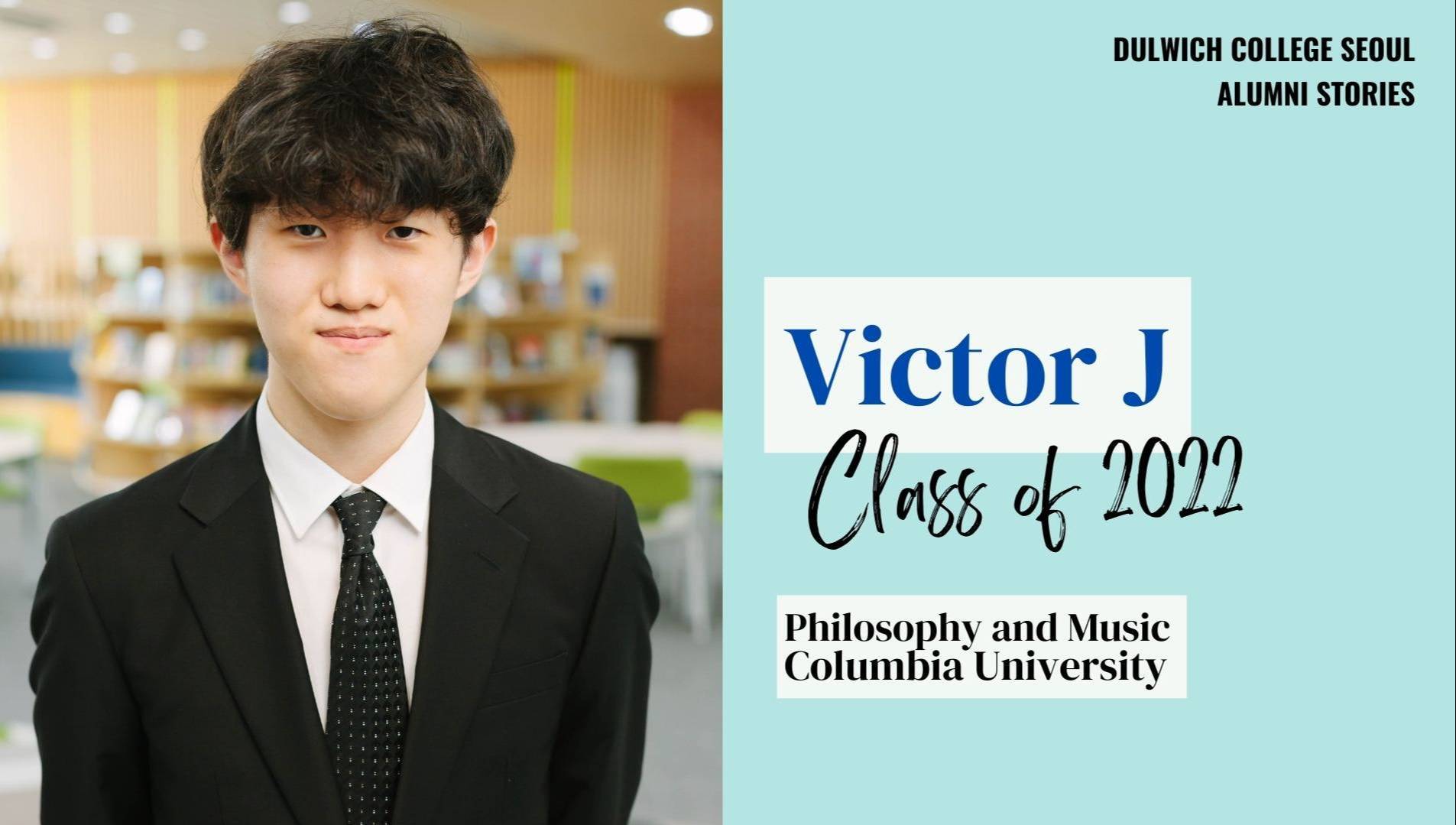
Class of 2022
Victor's path: Blending music with academics from Dulwich to university, plus key advice.
Full Video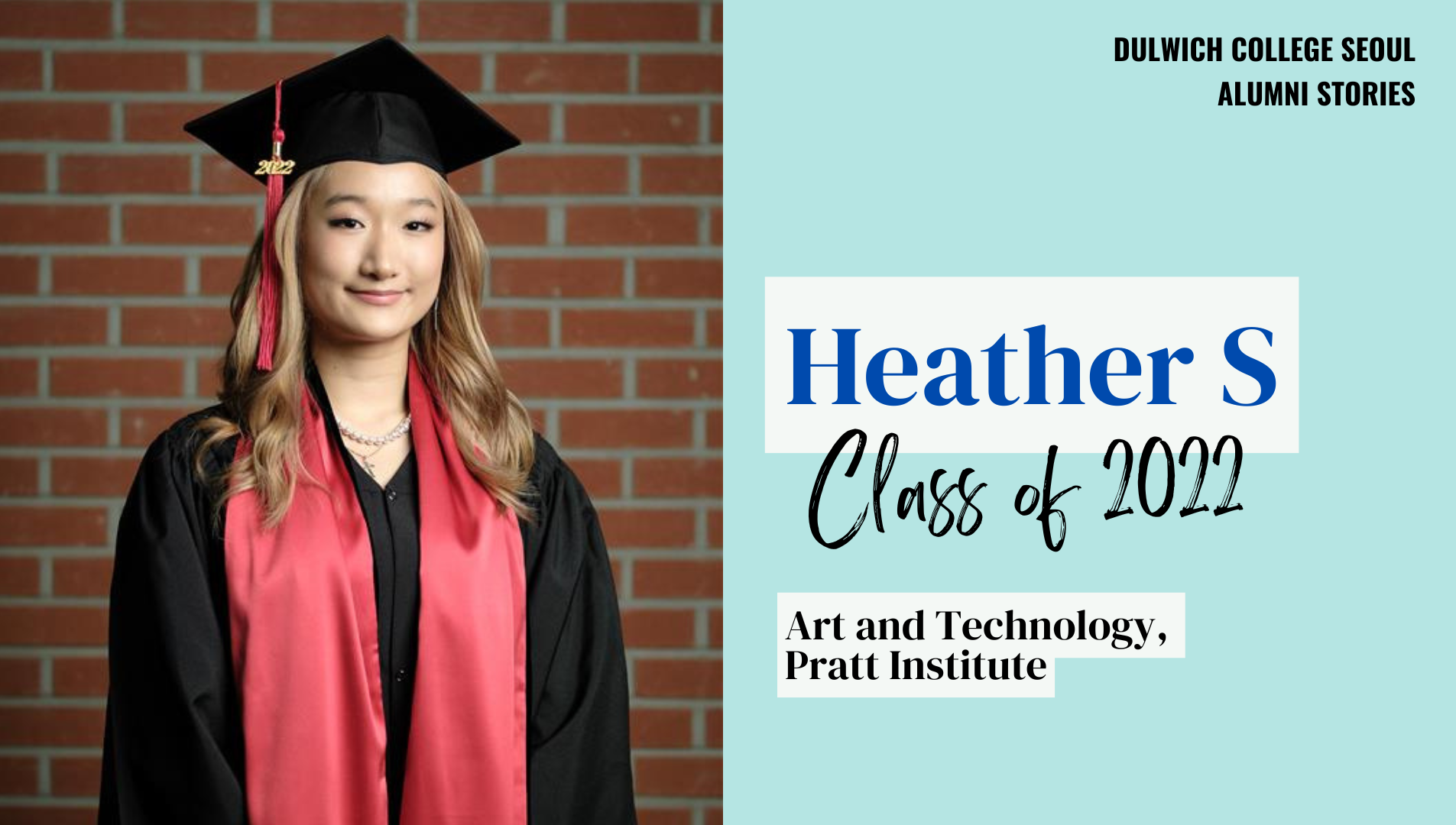
Class of 2022
Follow Heather’s journey from student to Art Technician and studying art in New York.
Full Video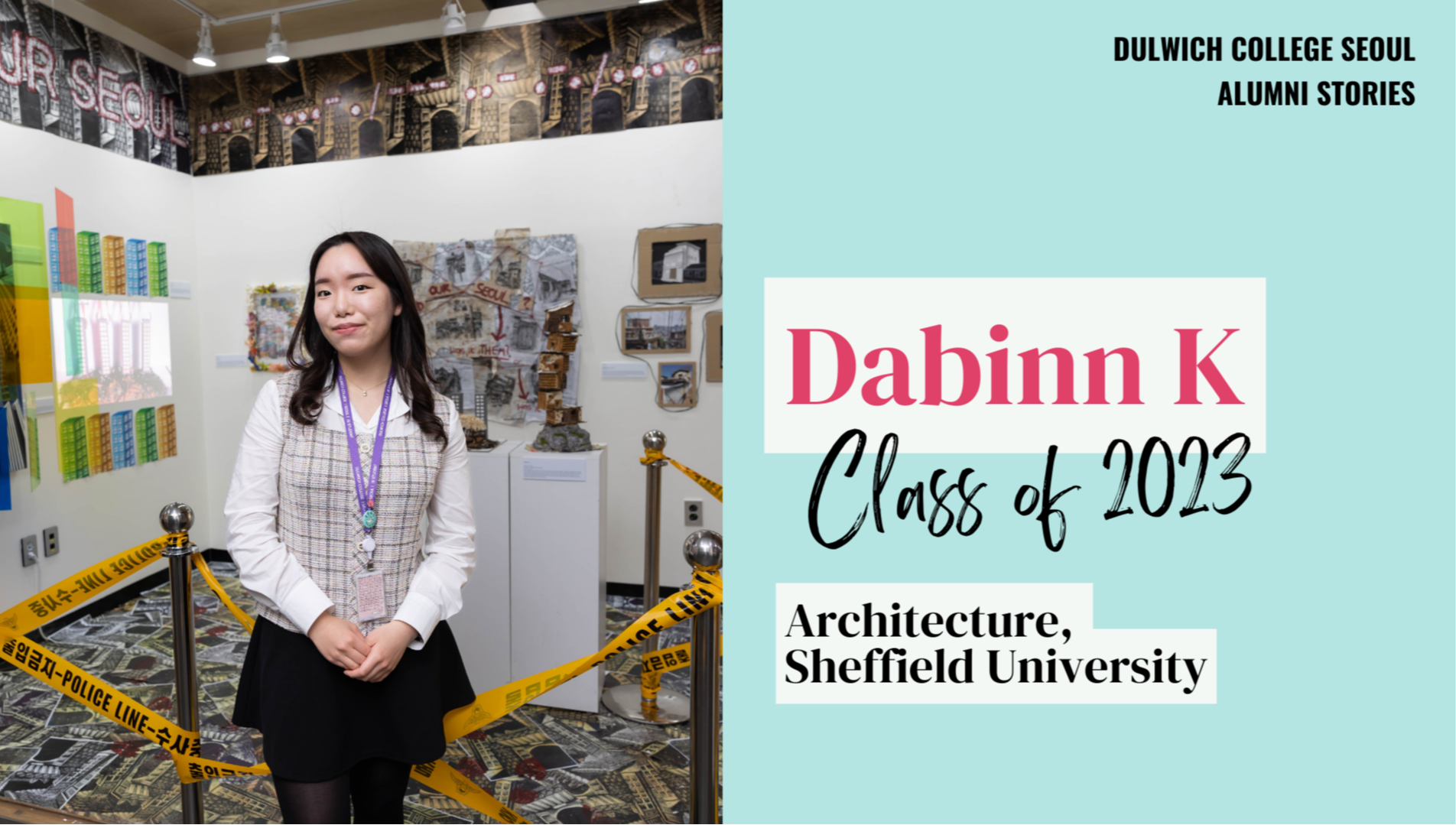
Class of 2023
Learn about Dabinn's motivation for her major and valuable advice for Year 13 students.
Full Video
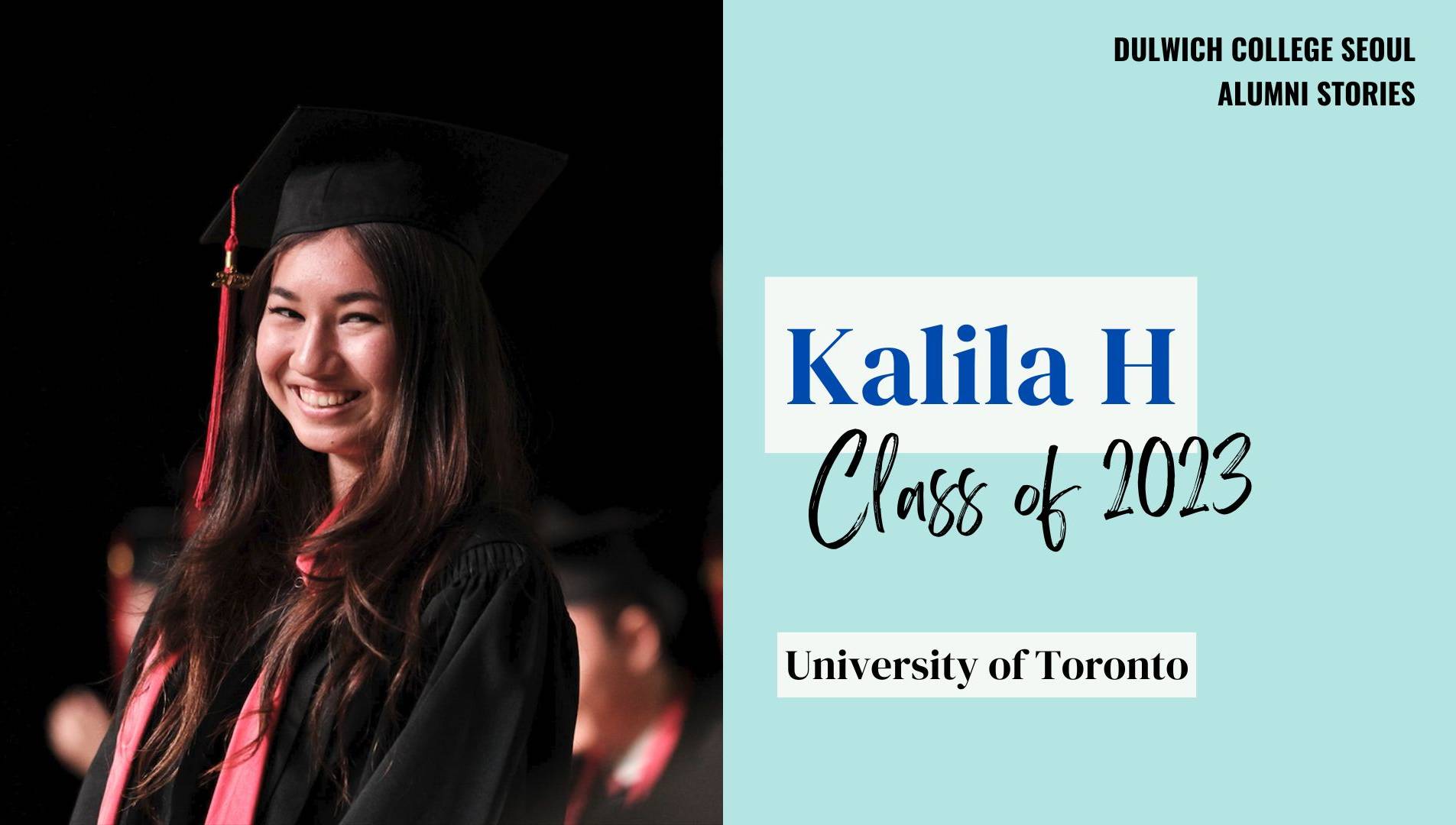
Class of 2023
Discover Kalilia’s passion for media and global perspectives, shaped by diverse experiences.
Full Video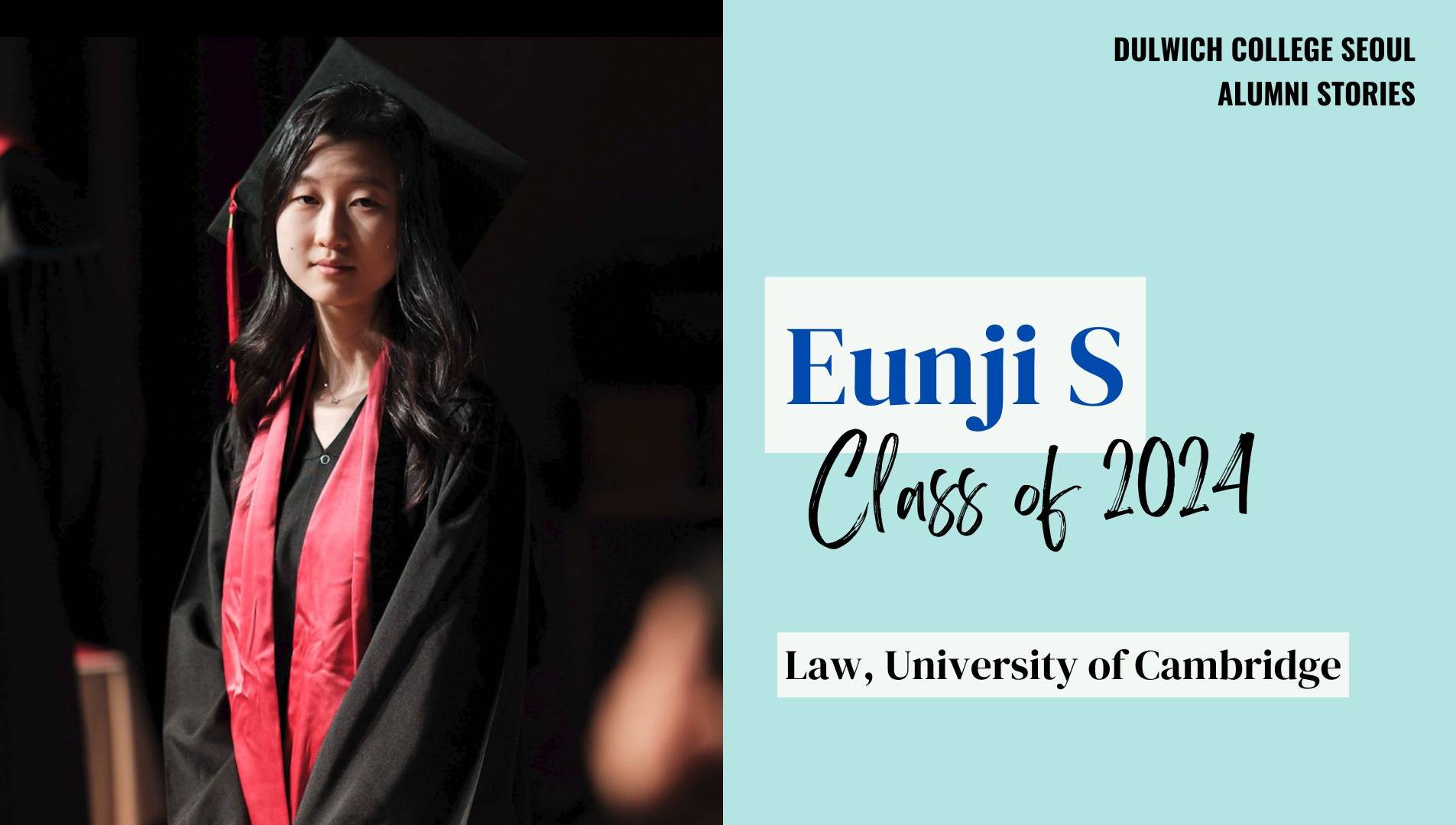
Class of 2024
Follow Eunji's journey from Dulwich College Seoul to studying law at Cambridge.
Full Video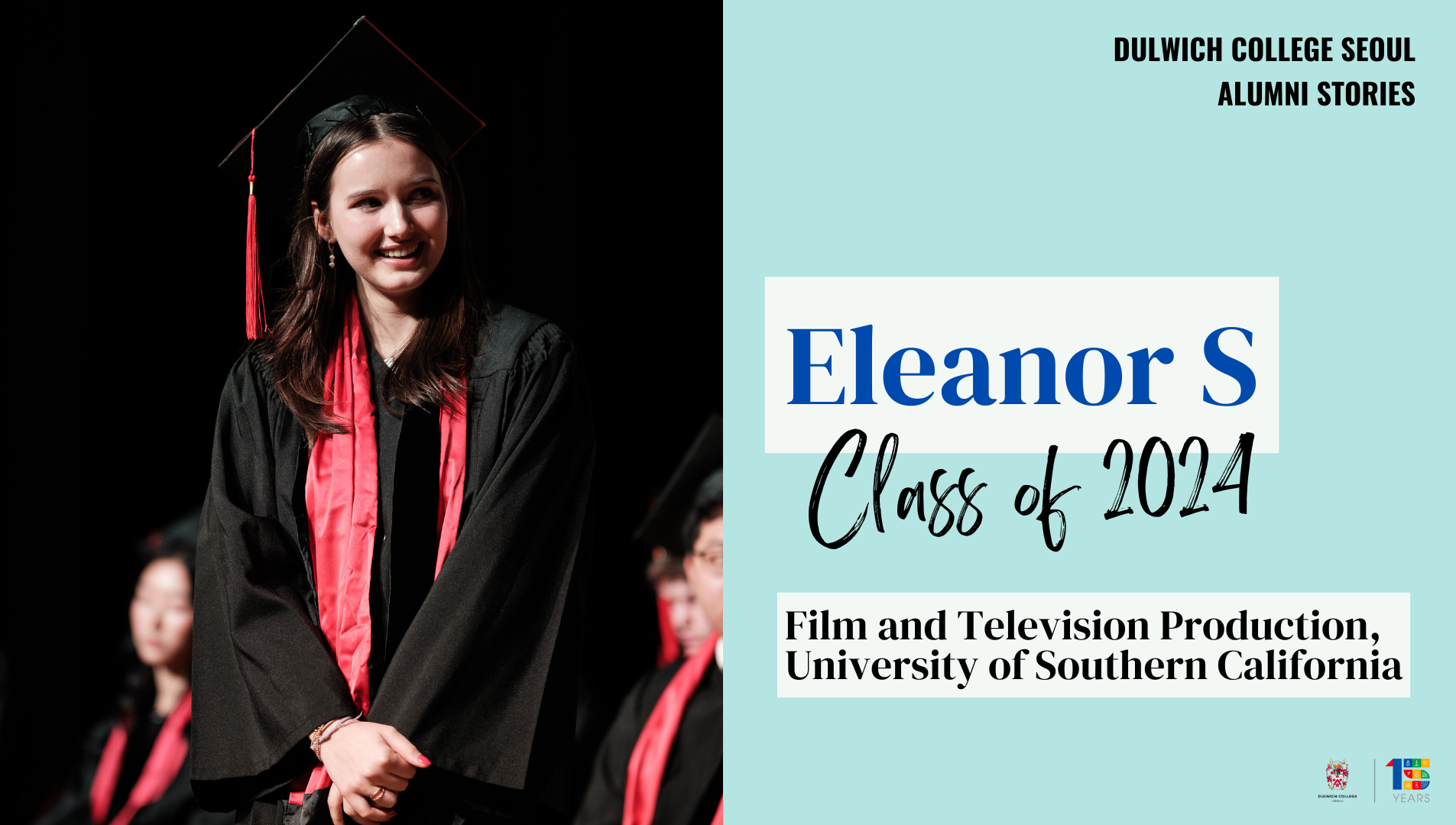
Class of 2024
From stage to screen: Eleanor’s journey to studying Film and Television Production at USC.
Full Video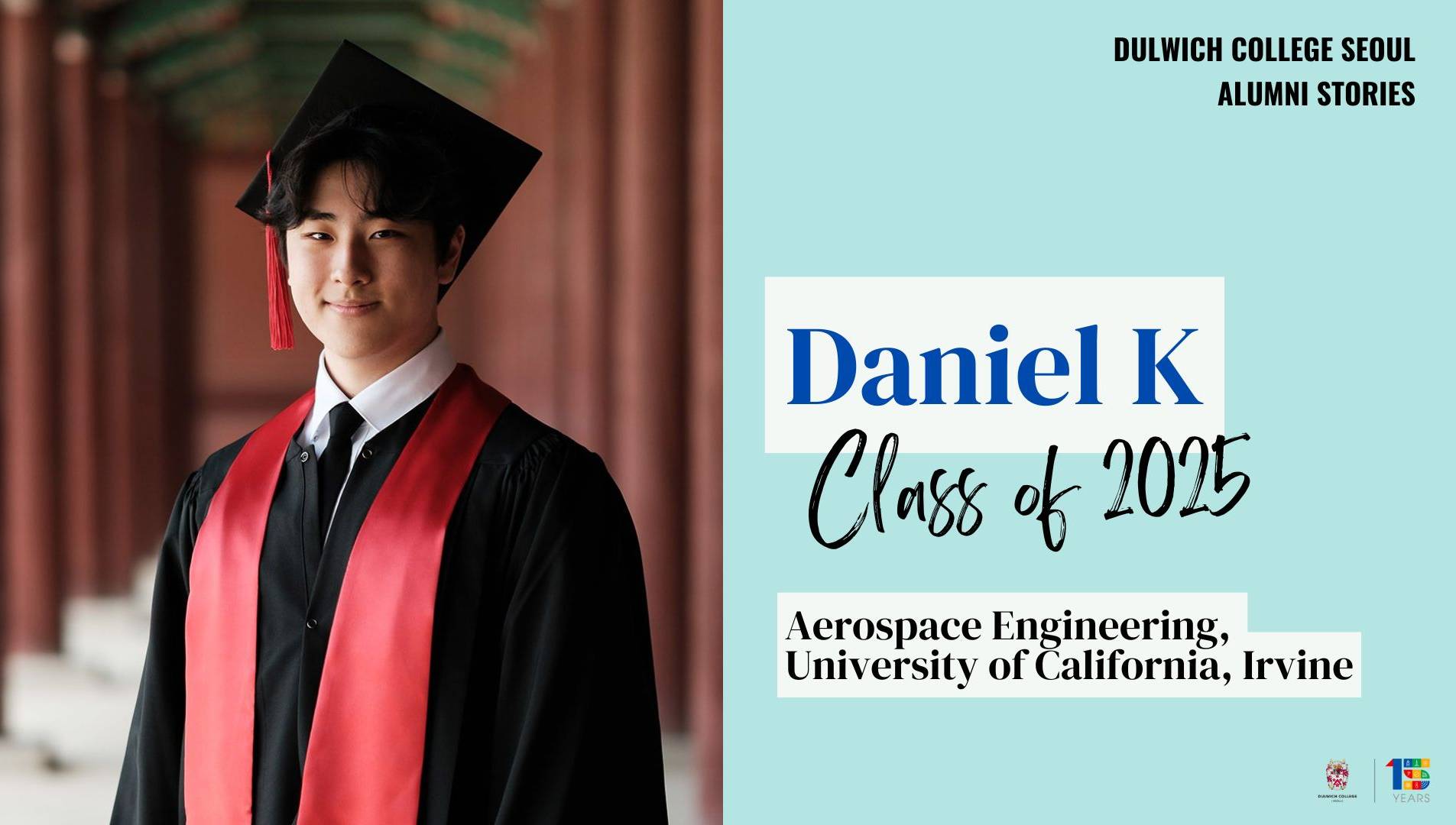
Class of 2025
Daniels 15-year Dulwich journey led him from DUCKS to UC Irvine to study aerospace engineering.
Full VideoMore Than a Number: Celebrating the Class of 2026 IB Results
We are proud to share the IB Diploma results for our Class of 2026. Behind every one of these scores is a story: a student who arrived, many of them as young children in our DUCKS or Junior School classrooms, and who, through years of learning, challenge and growth, now leaves us as a confident, capable young adult ready to take their place in the world.
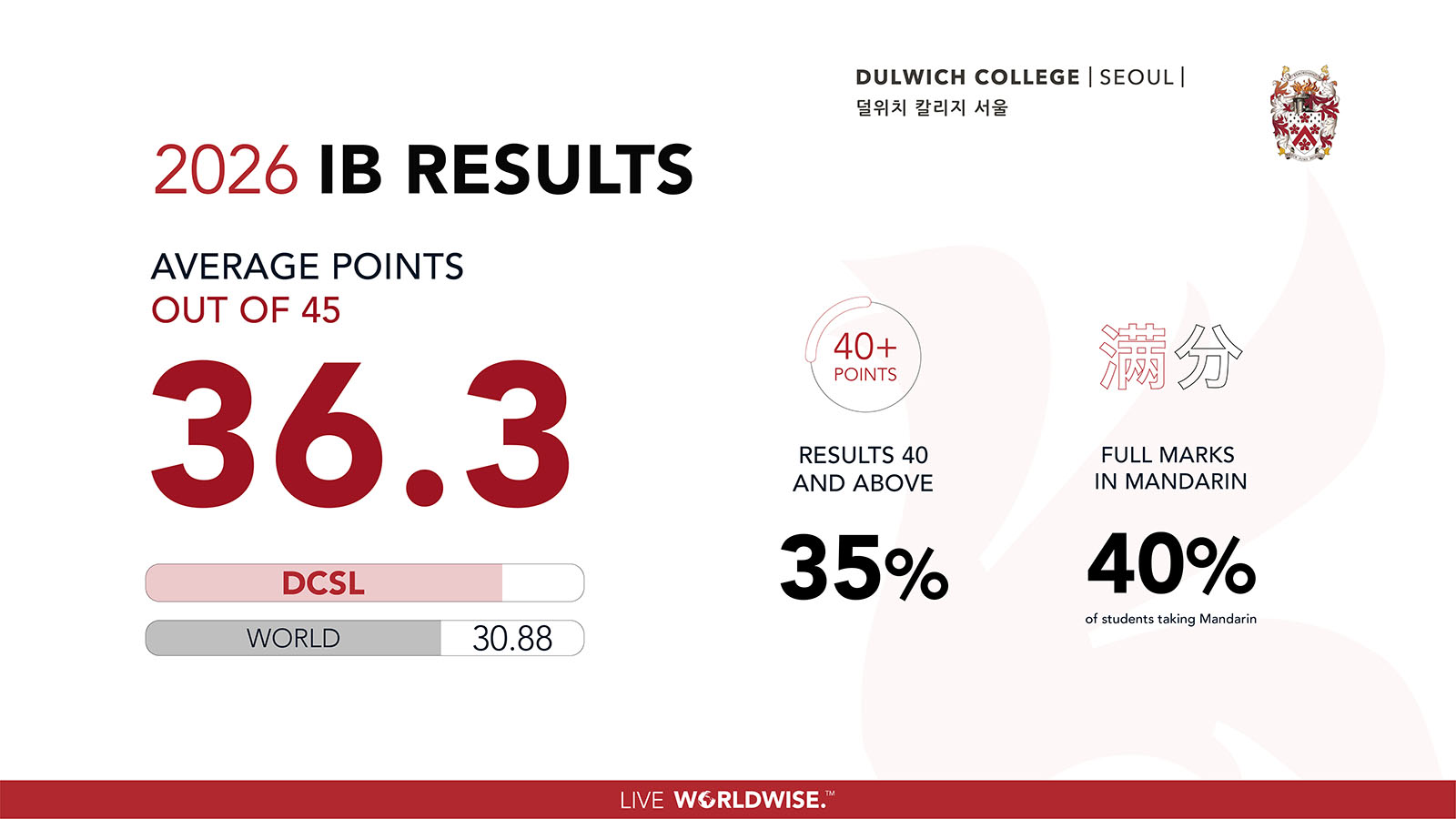
This year our students achieved an average of 36.3 points, well above the world average of 30.88. More than a third of the cohort (35%) scored 40 points or above. Two of the five students studying Mandarin earned the highest grade possible.
Yet the numbers, impressive as they are, tell only part of the story. This is a cohort that learned to ask better questions, to persevere when the work was hard, and to lift one another up along the way. Many began their Dulwich journey years ago, growing up within a single, continuous community that knew them by name and shaped them at every stage.
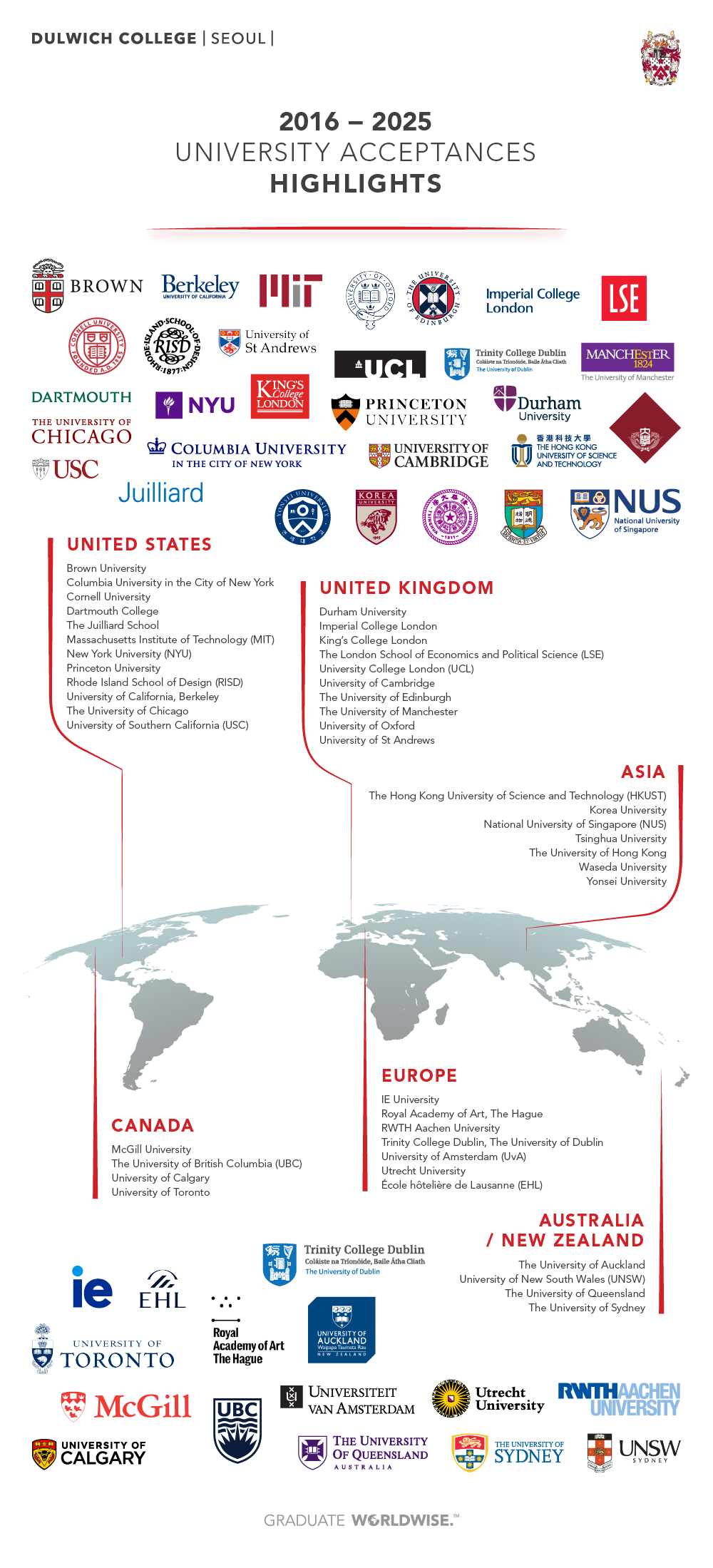
The true measure of this cohort lies in the breadth of who they are and where they are going. This year's graduates received 104 offers from 71 universities around the world, and every graduate received at least one offer.
They will go on to study a remarkable range of subjects, from medicine to architecture, with one in three heading into science, technology, engineering or mathematics. Their destinations span Ivy League institutions in the United States, Russell Group and Oxbridge universities in the United Kingdom, leading Canadian universities, and prestigious institutions across Europe and Asia. No two students are taking quite the same path, and that is exactly as it should be.
Congratulations to our students, teachers, families, and wider community for their dedication, hard work and commitment to excellence. This success reflects the power of a personalised learning journey that begins the moment a child joins Dulwich College Seoul and continues all the way through the holistic, academically rigorous IB Diploma Programme.
University Acceptances Highlights
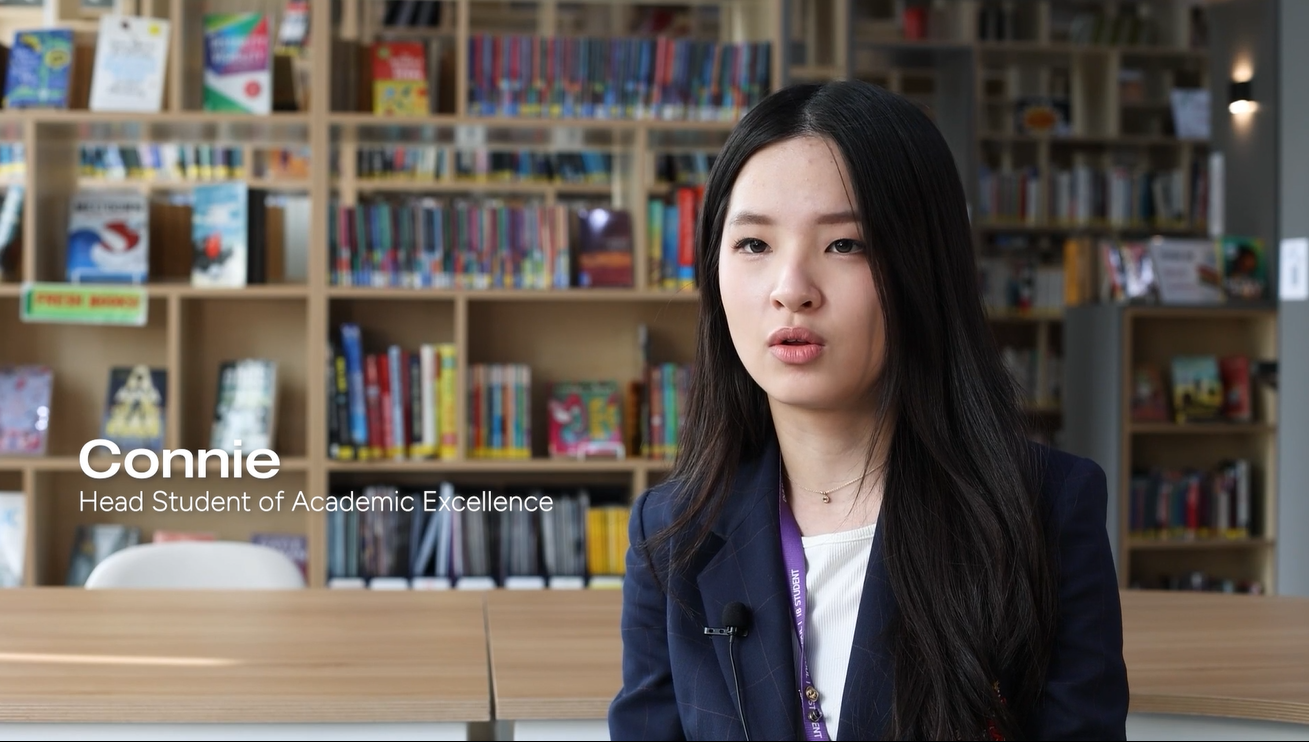
The IB Experience at DCSL
Our IB student Connie H highlights how Dulwich College Seoul’s IB program fosters growth, creativity, and global awareness.
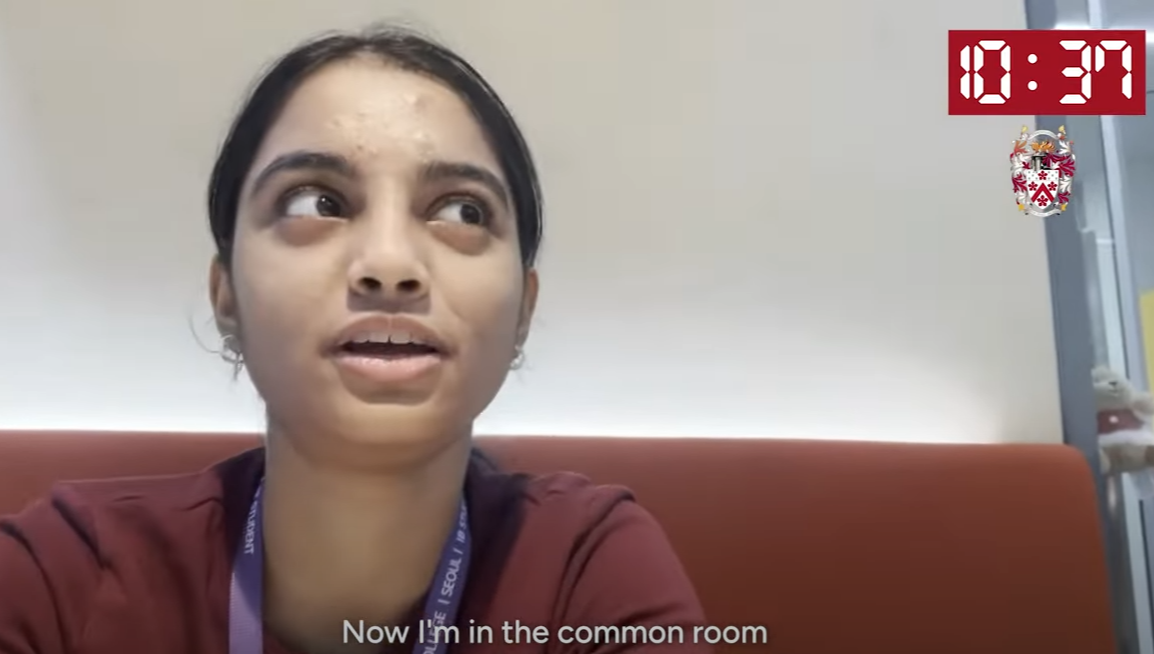
A Day in the Life of Amirtha
Meet Amirtha, an IBDP student, in "A Day in the Life." She tours the IB Centre, kitchen, lab, library—and shares why she loves TOK.
Exploring the Extended Essay
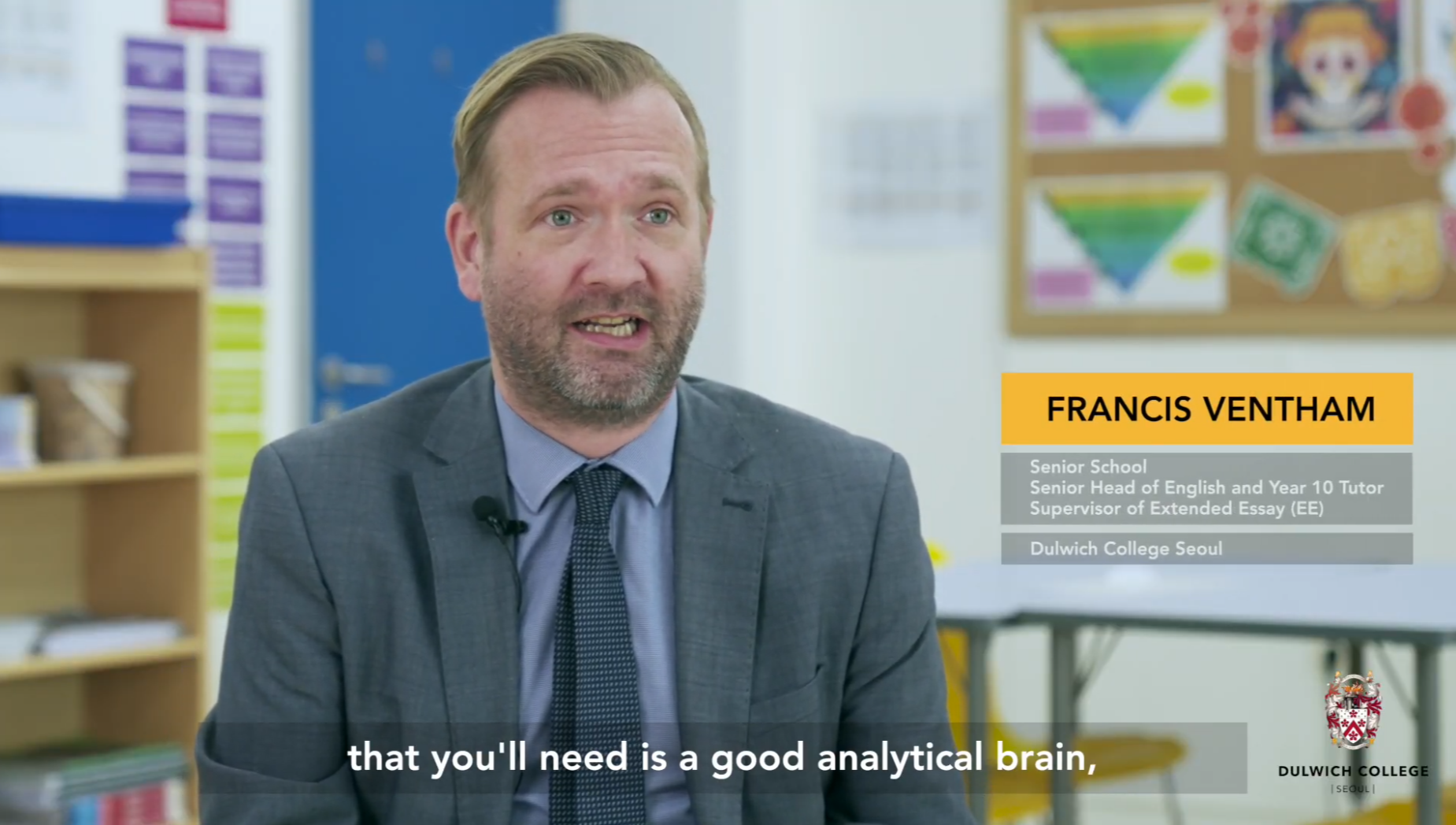
Hear from our EE English Supervisor
Mr Ventham discusses the IB Extended Essay and how it builds critical thinking, academic writing, and research skills for university success.
The IB Centre
Exclusively for Year 12 and Year 13 students, the IB Centre at Dulwich College Seoul provides a dedicated space for connection, study, and collaboration. Initiated by previous Head Students, it offers a supportive environment where students can focus on their academic work while also serving as a venue for various IB-related events. This space reflects our commitment to fostering both academic excellence and community among our senior students.
Frequently Asked Questions (FAQ) for IB Programme
Answer: The IB Programme is an internationally recognized education programme that aims to develop knowledgeable and caring young people who are motivated to succeed. It focuses on intellectual, personal, emotional, and social skills needed to live, learn, and work in a rapidly globalizing world.
Answer: The IB Programme fosters critical thinking, independent research, and a global perspective. It is highly regarded by universities worldwide, often leading to advanced standing or course credits, and prepares students for success in higher education and beyond.
Answer:
The Core is compulsory and central to the philosophy of the IB Diploma Programme. The Core requirements are:
The Extended Essay (EE) – This asks students to engage in independent research through an in-depth study of a question relating to one of the DP subjects they are studying. The EE has a prescribed limit of 4,000 words and equips students with the independent research and writing skills expected at university.
Theory of Knowledge (TOK) – The interdisciplinary TOK course develops a coherent approach to learning that unifies the academic disciplines. In this course on critical thinking, students explore the nature of knowing and deepen their understanding of knowledge as a human construction.
Creativity, Activity, Service (CAS) – Participation in the school’s CAS programme encourages students to be involved in a range of activities alongside their academic studies throughout the Diploma Programme. Creativity encourages students to engage in the arts and creative thinking. Activity seeks to develop a healthy lifestyle through physical exertion complementing academic work elsewhere in the Diploma Programme. Service within the community offers a vehicle for new learning with academic value. The three strands of CAS enhance students’ personal and interpersonal development through experiential learning and enable journeys of self-discovery.
Answer: The IB assessment is a combination of internal assessments (conducted by teachers) and external examinations (graded by external IB examiners). These assessments are designed to measure a wide range of skills and knowledge.
Answer: The IB Programme's rigorous curriculum and emphasis on research, critical thinking, and global perspectives prepare students for the challenges of higher education. Universities around the world recognize and value the IB Diploma.
Answer: Yes, IB students are encouraged to engage in extracurricular activities, including sports, arts, clubs, and community service. These activities are an integral part of the CAS component of the IB Diploma Programme.
Answer: To earn the IB Diploma, students must complete six subjects, three at a higher level (HL) and three at a standard level (SL), along with the Core components (TOK, CAS, and the Extended Essay). Students must achieve a minimum of 24 points out of 45, with specific performance criteria in each area.
Yes. Comparative data from top U.S. universities reveals that IB Diploma holders consistently enjoy higher acceptance rates than the general applicant pool. This reflects how admissions committees value the IB programme’s academic rigour, global perspective, and emphasis on critical thinking. The IB’s holistic approach gives students a distinct advantage in competitive university admissions, especially at leading institutions across the U.S.
Click here for a visual comparison of IB vs. general applicant acceptance rates.
The International Baccalaureate (IB) programme offers students a significant advantage when applying to top universities globally. As the graph demonstrates, acceptance rates for IB students are considerably higher compared to the general population. For top US universities, IB students enjoy a 70 percent acceptance rate, significantly higher than the 52 percent acceptance rate for the general population. Similarly, in the UK, IB students achieve a 75 percent acceptance rate to top universities, compared to 55 percent for non-IB applicants. This highlights the academic rigor and global recognition of the IB Diploma, providing a strong foundation for students seeking to enter competitive higher education institutions.
Click here to view the visual comparison chart.
Students who have completed an International GCSE or GCSE programme must achieve at least three B grades and two C grades to be accepted onto the IB Diploma Programme. Most Higher Level (HL) courses require at least a B grade at International GCSE or GCSE level. HL Mathematics and HL Physics require an A grade in International GCSE Mathematics.
If a student has not studied a subject at International GCSE or GCSE level, or under another examination system, it may be possible to begin the subject at IB Diploma level without prior knowledge. Students should consult the relevant Head of Department or the IB Diploma Coordinator if they are considering a subject they have not studied before.
If a student does not meet the minimum entry requirements, either for the IB Diploma overall or for a specific subject, the school will carefully consider the student’s individual circumstances, attitude, and academic record.